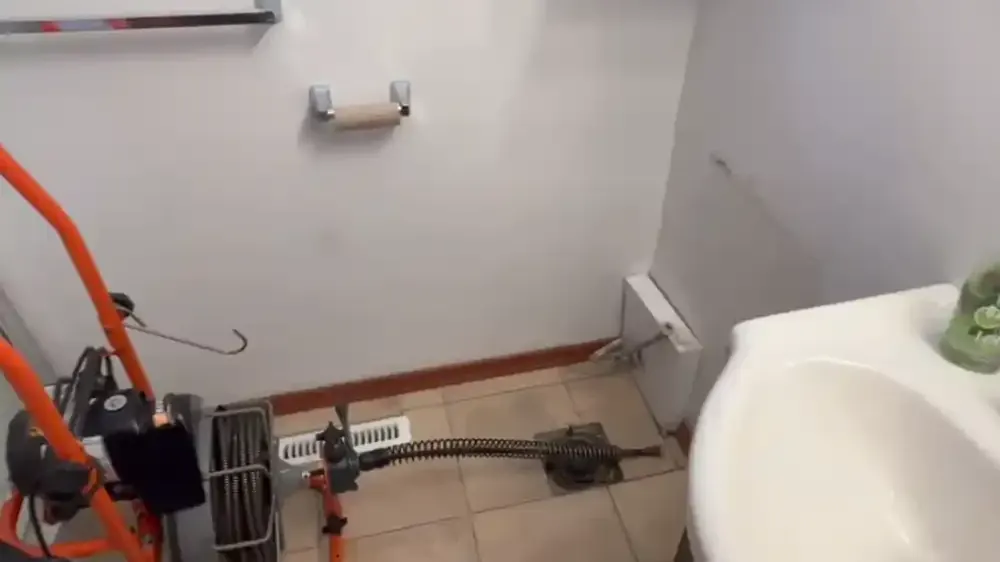
Most clogs are local. Hair, soap scum and food particles collect in the trap under a single sink or tub, and a little effort clears them. Homemade fixes can work for those, and they cost almost nothing. The trouble starts when a homemade fix is used on a clog that is not local.
Homeowners in Maywood, IL deal with older drains, and that matters. This guide goes through safe options, a few that cause damage and the signs that a clog is deeper than a household remedy can reach.
Safe options to try first
Start with the mildest option. A cup plunger, used with the overflow blocked, clears most sink and tub clogs. A hand snake or a bent wire hanger pulls hair from a tub drain. Hot tap water, not boiling, helps dissolve soap and light grease.
Homemade options that are safe
- A cup plunger with the overflow plugged by a wet rag.
- A plastic drain snake for hair in tubs and sinks.
- Removing and cleaning the trap under the sink.
- A baking soda and vinegar treatment for light buildup.
- Hot water followed by dish soap for a greasy kitchen drain.
Options to avoid
| Remedy | Problem |
|---|---|
| Chemical drain cleaner | Can damage pipes, burns skin and is dangerous for the next person who works on the drain. |
| Mixing cleaners | Can create toxic fumes. |
| Boiling water in PVC | Can soften fittings. |
| Pouring grease down the sink | Cools and hardens in the pipe. |
| Metal hangers in a toilet | Scratch porcelain. |
If you already poured a chemical cleaner and it did not work, tell the plumber. The standing liquid is caustic and needs care.
Local clog or deep clog
A local clog affects one fixture. A deep clog affects several, and the signs include slow drains in more than one place, gurgling in toilets when a sink drains or water backing up in a tub or floor drain when the washer runs.
For deep clogs, a plumber uses a motorized cable machine or hydro jetting and may run a camera to see what caused it. See drain cleaning and sewer line cleaning.
Kitchen, bathroom and laundry differences
Kitchen drains clog with grease and food. Bathroom drains clog with hair and soap. Laundry drains clog with lint and detergent residue. Each suggests a different tool, and the same fix does not suit all three.
Install a hair catcher in the tub, use a lint trap on the washer discharge if possible and scrape plates before rinsing. Those habits cut the number of clogs more than any treatment.
When to stop and call
- Try the plungerGive it a real effort, with a good seal.
- Try a snakeWork it gently and pull out what it catches.
- Try the trapRemove and clean it if it is accessible.
- Stop if it returnsA clog that comes back is a sign of something deeper.
- Call the plumberDescribe what you tried and what the other drains are doing.
Tools worth owning
A good cup plunger, a flange plunger for toilets and a small hand snake handle the majority of household clogs. Add a pair of rubber gloves and a bucket, and you are covered. A wet and dry shop vacuum can also pull a clog out of a sink drain when plungers fail.
A drain camera sold for homeowners is another option, but it shows only what is in view, and interpreting the image takes practice. For anything beyond a simple clog, a plumber's equipment and experience are worth the call.
What the clog is telling you
Where the clog is and how it behaves tells you the cause. A drain that clears and refills slowly points to partial blockage. A gurgle in a nearby fixture means air is trapped, which may be a venting issue. A sewer smell after clearing means a trap has dried out or a seal is open.
Write down which fixtures are affected and when. A plumber uses that pattern to decide whether the clog is in a branch line or the main.
A step-by-step plan for a bathroom sink
- Clear the stopperRemove the pop-up stopper and pull off the hair and gunk wrapped around it.
- PlungeBlock the overflow with a wet rag and plunge firmly for twenty seconds.
- SnakeFeed a plastic drain snake in, twist and pull out what it catches.
- Clean the trapPlace a bucket and unscrew the trap if the drain is still slow.
- FlushRun hot tap water for a minute and test the drain.
If the drain is still slow after all five steps, the clog is farther down the line. Stop, and call a plumber with the details of what you tried.
Preventing the next clog
Use a strainer in kitchen sinks and a hair catcher in tubs and showers. Empty them into the trash, not the drain. Wipe greasy pans with a paper towel before washing, and keep coffee grounds, rice and pasta out of the sink.
Run hot water for a minute after the dishwasher or washer cycles. That moves soap and lint through the line before it settles.
What the guidelines say about home fixes
Standard plumbing guidance is to try a plunger or a hand auger before any chemical, and never to combine products. The Illinois Plumbing Code expects each trap to hold a water seal, so avoid anything that damages the trap or its seal.
What to do and what not to do
Home drain fix safety
- Try a plunger or a hand auger first.
- Do not mix bleach, ammonia or commercial cleaners.
- Wear gloves and eye protection.
- Do not use boiling water on PVC or a cracked bowl.
- Call a plumber if more than one fixture is slow.
Why storms matter for Maywood drains
Maywood's hazard plan describes basement backups from undersized sewers and a combined sewer area near I-290. FEMA declared floods covering the area in May 2013 and November 2023. If your drains back up during or after heavy rain, the cause may be the public sewer, and no homemade solution will fix it.
Call a plumber to check your own lateral and fixtures, and report a street-side problem to the village. A backwater valve can keep sewer water out of the basement.
Sources: Cook County Multi-Jurisdictional Hazard Mitigation Plan, Maywood annex and FEMA disaster declarations DR-4116 and DR-4749.
Clog not clearing? Call a plumber.
Call (855) 575-2890Clogged drain questions in Maywood
A plunger or a plastic snake. Both avoid chemicals.
It can damage pipes and endangers anyone working on the drain later. Mechanical methods are safer.
The clog is probably in the main line. See sewer line cleaning.
Use hair catchers, keep grease out of the sink and do not flush wipes.
Yes. See Forest Park and Oak Park.
Need a stubborn clog cleared? Call us. Call (855) 575-2890