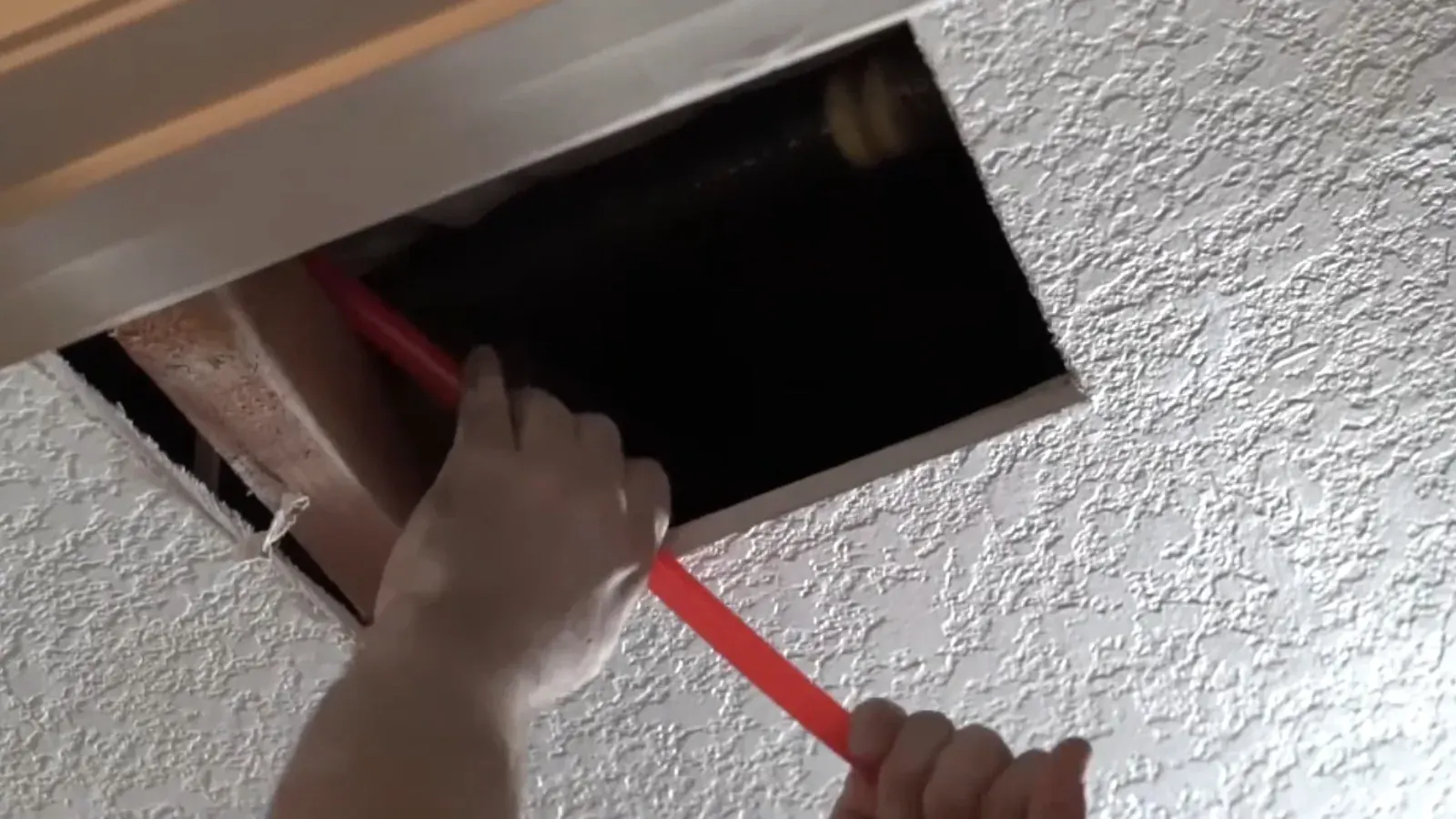
Repiping in Maywood, IL means replacing the supply pipes that carry water through a house, typically from the main shutoff to every fixture. It is a planned project, done when old galvanized, brittle or leaking pipe has become more of a problem than it is worth.
Maywood has many older homes, with the Maywood Company building over 100 houses in the early 1870s and the village organized in 1881. Not all of that plumbing is original, but a lot of pre-1950 housing still has galvanized steel or mixed piping that is near the end of its life.
Signs your pipes need replacing
When to consider repiping
- Low water pressure at several fixtures, not just one.
- Brown or rust colored water when you first open a tap.
- Repeated leaks or pinholes in the same line.
- Visible corrosion, flaking or green crust on pipes.
- Galvanized steel pipe in a house built before the 1960s.
- A history of frozen and split pipes.
Pipe materials compared
PEX and copper are the two modern choices. Both are durable, and the right one depends on the house, the budget and the water.
| Material | Strengths | Trade-offs |
|---|---|---|
| PEX | Flexible, fewer fittings, freeze resistant, faster to install | Not for outdoor sun exposure, needs proper support. |
| Copper | Long track record, rigid, handles heat well | Higher material cost, joints need soldering. |
| CPVC | Inexpensive for water lines | Can be brittle with age, less common. |
| Galvanized | Original in many older homes | Corrodes from the inside, reduces flow. |
How a whole house repiping goes
- Survey the houseThe plumber maps the existing lines, fixtures and the best route for new pipe.
- Plan the scheduleMost repipes are done in a day or a few days, with water off for part of each day.
- Install new linesNew pipe is run through basements, walls and ceilings with the fewest openings possible.
- Connect fixtures and testEach fixture is reconnected and the system is pressure tested.
- Patch and finishWall openings are patched or the plumber hands off to a drywall contractor.
Permits, inspections and licensing
Repiping is work that needs a permit in most places, and Maywood's building department states that most projects need two formal reviews, with the first taking about three business days. Plan on extra time when you schedule.
The Illinois Plumbing Code, found in Title 77, Part 890 of the Illinois Administrative Code, governs the work, and plumbers must be licensed by the state. Use the Illinois Department of Public Health's license lookup to check any plumber before you hire.
Repipe a section or the whole house
A partial repipe replaces the worst section, such as a bathroom line or a basement run. It is cheaper and faster, and it makes sense if the rest of the pipe is in good shape. If corrosion is widespread, a full repipe prevents the next leak from appearing next month.
When a repipe is combined with a new water heater or a new service line, the work goes more smoothly. See water heater installation and water service line repair for the other parts of that plan.
Living through a repipe
Plan for dust, noise and short water shutoffs. Move furniture away from the walls where pipe will run, and clear the basement ceiling. The plumber lays out drop cloths and cuts neat openings, but plaster and old paint make some mess.
Most households can stay in the house. Ask for a schedule that restores water each evening, and for a bucket and a few gallons of drinking water for the daytime.
After the work, ask for a copy of any permit and the inspection sign-off, and for the pipe manufacturer's warranty information.
Lead rules and pipe standards
Under the federal Safe Drinking Water Act, pipe and fittings sold for drinking water must be lead free, meaning a weighted average of no more than 0.25 percent lead. New pipe also carries an NSF/ANSI 61 listing, and the install follows the Illinois Plumbing Code.
Repiping in our service area
Whole house repipes are quoted in Maywood 60153, Oak Park 60302, 60301 and 60304 and Bellwood 60104, where galvanized steel is still common behind plaster walls. The plumber walks the house first, so the price reflects the real route of the new pipe.
What changes the price of repiping
Repiping cost depends on the size of the house, the pipe chosen and how hard the walls are to reach.
Insurance does not pay for planned repiping. Ask about warranty terms on both the pipe and the labor. Want your real number? Call (855) 575-2890.
Tired of patching old pipes? Ask about repiping.
Call (855) 575-2890Repiping questions in Maywood
Many houses take one to a few days. The plumber gives you a schedule after surveying the house.
Water is off for part of each working day, and many plumbers restore it at night.
Both work. PEX is faster to install and handles freezing better, while copper has a longer track record. The plumber recommends one based on the house.
Gray steel pipe that a magnet sticks to is galvanized. If it is dull gray, soft and the magnet does not stick, it could be lead, and you should ask a plumber to check.
Yes. See burst pipe repair for the emergency fix and plan the repipe afterward.
Thinking about repiping? Call us for a clear plan and price. Call (855) 575-2890