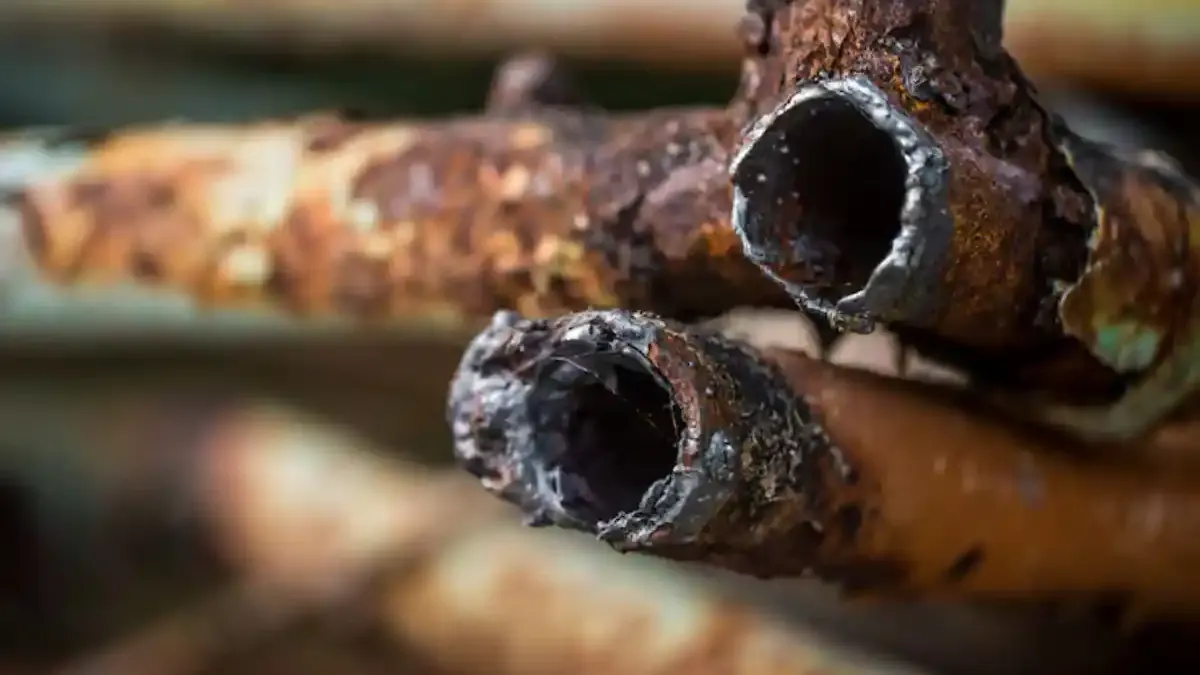
When a pipe freezes, water stops at the tap and the pipe is under pressure from the ice. A frozen pipe may not be a burst pipe yet, but it can split when it thaws. The way you thaw it decides whether you save the pipe or flood the basement.
Winters in the Chicago area can bring days of hard freezing, and homes in Maywood, IL with pipes in exterior walls, unheated garages or crawl spaces are at risk. This guide explains how to find the frozen spot, thaw it safely and avoid a repeat.
Find the frozen pipe
Start with the symptom. If one faucet gives no water, the frozen section is between that faucet and the main. If the whole house is dry, the main line or the meter may be frozen. Check pipes along exterior walls, in the garage, under sinks on outside walls and near the foundation.
Look for frost on the pipe, a bulge or any wet spot. A bulge or leak means the pipe may already be split, and you should close the main and call a plumber.
How to thaw a pipe safely
- Open the faucetLeave the tap open so water and steam can escape as the ice melts.
- Apply gentle heatUse a hair dryer, a heating pad or warm towels, starting near the faucet and working back.
- Keep movingDo not hold heat in one spot too long.
- Wait for flowWhen water flows, keep the tap open for a while.
- Check for leaksLook along the pipe for drips once it is thawed.
What never to do
| Do not | Why |
|---|---|
| Use an open flame or a torch | Fire risk and pipe damage. |
| Use a kerosene heater near the pipe | Fire and carbon monoxide risk. |
| Pour boiling water over a pipe | Rapid heating can crack it. |
| Leave a heat source unattended | Fire risk. |
| Ignore a leak once water flows | A thawed split pipe floods quickly. |
If you cannot find the frozen spot, cannot reach it or see any damage, stop and call. See burst pipe repair for the emergency fix.
Prevent the next freeze
Freeze prevention
- Insulate pipes in garages, crawl spaces and exterior walls.
- Seal gaps where cold air leaks around pipes.
- Open cabinet doors under sinks on outside walls during a freeze.
- Let a faucet drip slowly during a hard cold snap.
- Disconnect garden hoses and close outdoor spigots in fall.
- Keep the heat on if you leave the house in winter.
If a pipe has burst
Close the main water shutoff, open a low faucet to drain the lines and call the 24/7 line. Take photos for your insurer. If the pipe was frozen because the house was empty and unheated, check your policy, since coverage can differ. A repipe may be worth discussing if bursts repeat. See repiping.
Pipes that freeze again and again
If the same pipe freezes every winter, the cause is structural. It may run through an uninsulated exterior wall, along a rim joist or through a garage with a gap under the door. Warming it each time treats the symptom, not the cause.
A plumber can reroute the pipe to an interior wall, add insulation or install heat tape on a short exposed run. Sealing air leaks around the pipe with spray foam or caulk is often enough to stop the freeze.
Tell the plumber which tap freezes first. That points straight at the exposed section.
Going away in winter
If you leave the house for several days in winter, keep the heat on at a modest setting rather than turning it off. Ask a neighbor to check the house. For a long absence, some owners shut off the main and drain the lines, though that is a job for a plumber, especially with a boiler or a sprinkler system.
A frozen and burst pipe in an empty house can run for days before anyone knows. A leak sensor that sends an alert to your phone is inexpensive and worth considering.
Signs that a thawed pipe has been damaged
After the pipe thaws, watch the area for an hour. A small drip may be a split that is only now open. Check the ceiling below, since water can travel along joists and appear far from the leak. Look at the water meter with everything off to see whether any water is moving.
If the pipe was frozen solid for a long time, the joints may be weakened even if nothing leaks yet. A plumber can pressure test the line and tell you whether it is safe to keep using.
Keeping the house safe while you work
Work with dry hands and keep electrical devices away from standing water. Use a hair dryer on a grounded outlet and keep the cord clear of puddles. Never leave a heat source on a pipe unattended or near insulation, curtains or paper.
If you smell gas or see sparks, stop and leave the house. Call 911 or the gas utility from outside.
Guidelines for thawing pipes
Fire safety guidelines say never to use an open flame on a pipe, and the code expects the pipe to be repaired with approved materials if it split. Use a hair dryer or warm towels, and keep the faucet open so water can flow.
Frozen lines and the village side
If the frozen section is in the line from the street, the cause may be shallow or damaged pipe. The Village of Maywood repairs main breaks and in 2022 fixed 13 of them and repaired 29 buffalo boxes, the access pipes at the curb stop. The service line from the curb stop to the house is the owner's responsibility.
If the whole neighborhood has lost water pressure, call the village water department as well. Your plumber can help tell whether the problem is on your side of the curb.
Sources: Village of Maywood 2022 system work summary.
Pipe frozen or leaking? Call the 24/7 line.
Call (855) 575-2890Frozen pipe questions in Maywood
It depends on the temperature and wind. Pipes in exterior walls and unheated spaces freeze first.
In a hard freeze, yes. Moving water is less likely to freeze.
Raise the room temperature, open cabinet doors and call a plumber if there is no flow. Do not cut the wall without a plan.
Sudden water damage is often covered, with exceptions. Read your policy.
Yes. See Melrose Park and Bellwood.
Frozen pipe emergency? Call now. Call (855) 575-2890